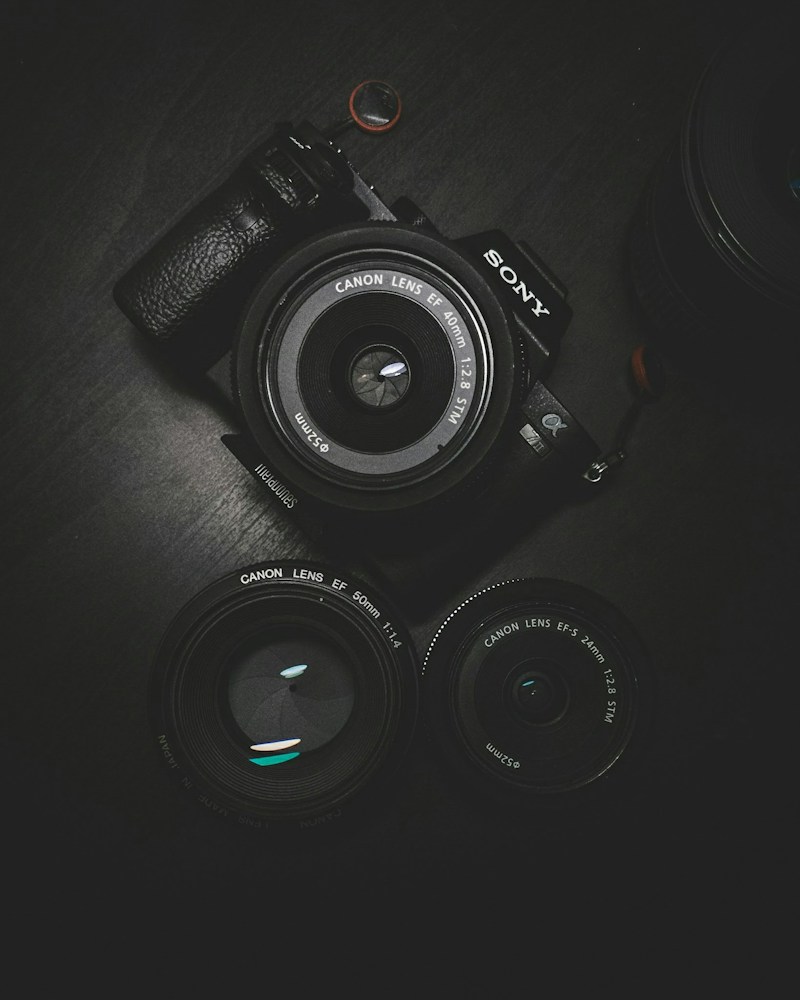
Do you love taking photos? In 2026, your smartphone or camera can become a money-making machine. Millions of businesses, bloggers, advertisers, and designers need high-quality photos every single day — and they are willing to pay for them. Here is your complete guide to selling photos online for money in 2026.
Why Sell Photos Online?
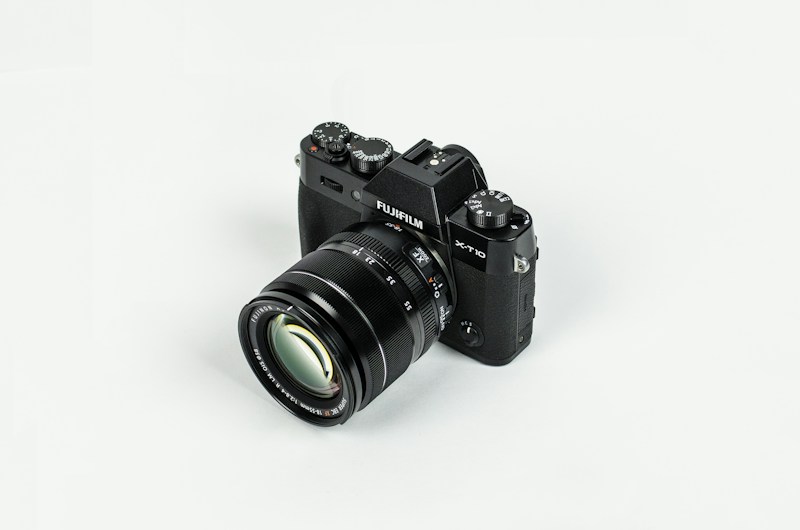
Photography is one of the best ways to earn passive income online. You take a photo once, upload it to a platform, and it can generate income for years — sometimes decades — without any additional effort from you.
The global stock photography market is worth over $4 billion and continues to grow. Businesses of all sizes need photos for their websites, social media, advertisements, presentations, and marketing materials. That demand creates a constant stream of income opportunities for photographers.
Why selling photos online is great:
- Earn passive income from photos you have already taken
- Work from anywhere with a camera or smartphone
- No special equipment needed to start
- Photos can sell thousands of times
- Multiple platforms mean multiple income streams
- No shipping or inventory required for digital files
What Photos Sell Best Online?

Not all photos sell equally. Understanding what buyers are looking for dramatically increases your earning potential.
Top selling photo categories in 2026:
Business and Technology — People working on laptops, team meetings, office environments, smartphones, and technology concepts are always in high demand by businesses for their websites and marketing.
Lifestyle — Authentic photos of real people doing everyday activities — cooking, exercising, spending time with family, traveling — sell exceptionally well.
Nature and Landscapes — Sunsets, mountains, oceans, forests, and natural scenery are consistently popular for backgrounds, wallpapers, and editorial use.
Food and Drink — Professional-looking food photography is in massive demand from restaurants, food blogs, recipe sites, and food brands.
Health and Wellness — Fitness, meditation, healthy eating, and wellness concepts are among the fastest-growing categories.
Diversity and Inclusion — Authentic photos featuring people of diverse backgrounds, abilities, and cultures are increasingly sought after by modern brands.
Aerial and Drone Photography — Unique aerial perspectives are highly valued and command premium prices.
Platform 1 — Shutterstock

Shutterstock is the world’s largest stock photography marketplace with over 400 million images and more than 1 million customers. It is the first platform most photographers join when they start selling photos online.
How earnings work:
Shutterstock pays royalties based on your contributor level and the type of license purchased. Royalties range from 15% to 40% per download. As you sell more, you move up contributor levels and earn higher percentages.
Requirements:
- Submit at least 10 photos for review
- Photos must meet technical quality standards
- Model releases required for photos featuring recognizable people
- Property releases required for private property
Earning potential: Experienced Shutterstock contributors with large portfolios earn $500 to $5,000+ per month.
Platform 2 — Adobe Stock

Adobe Stock is integrated directly into Adobe’s Creative Cloud applications — Photoshop, Illustrator, Premiere Pro, and more. This means over 26 million creative professionals can license your photos without ever leaving their design software.
Why Adobe Stock is excellent:
The integration with Adobe’s ecosystem means your photos are seen by professional designers and creative agencies who purchase high volumes of images. Adobe Stock also accepts video clips, illustrations, and 3D assets in addition to photos.
Earnings: Adobe Stock pays 33% royalties on photos — one of the highest rates in the industry.
Tip: If you already use Adobe Creative Cloud, uploading to Adobe Stock is seamless through Lightroom.
Platform 3 — Getty Images and iStock
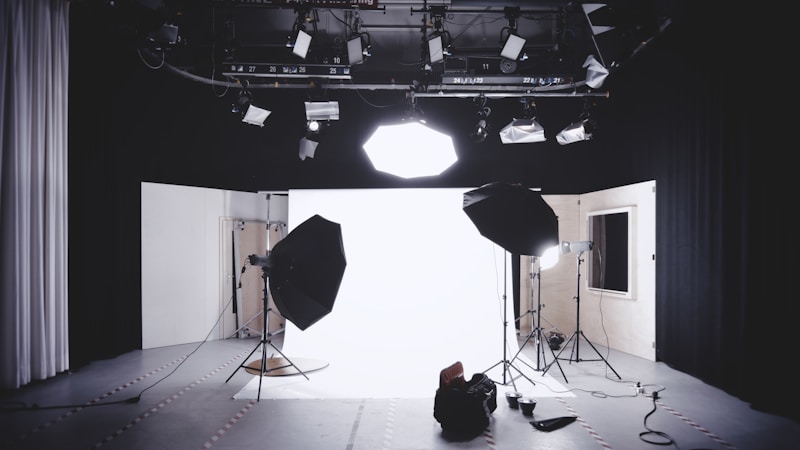
Getty Images is the most prestigious stock photography agency in the world. Having your work accepted by Getty is a mark of quality that can significantly boost your career and earnings.
iStock is Getty Images’ more accessible marketplace, accepting a wider range of photographers and offering easier entry.
Getty Images focuses on editorial and premium commercial photography. Acceptance is competitive, but royalties are higher — typically 20% to 45% per sale.
iStock is more accessible for new photographers. Royalties range from 15% to 45% depending on exclusivity and contributor level.
Tip: Submitting exclusive content to Getty Images significantly increases your royalty rates.
Platform 4 — Alamy
Alamy is one of the largest stock photo agencies in the world with over 220 million images. What makes Alamy special is its generous royalty rate — contributors earn 50% on standard sales, which is among the highest in the industry.
Alamy is particularly strong for editorial photography — news, travel, historical, and documentary images. If you photograph real-world events, places, and people, Alamy is an excellent platform.
Best for: Travel photographers, photojournalists, and documentary photographers.
Platform 5 — Etsy (Fine Art Prints)
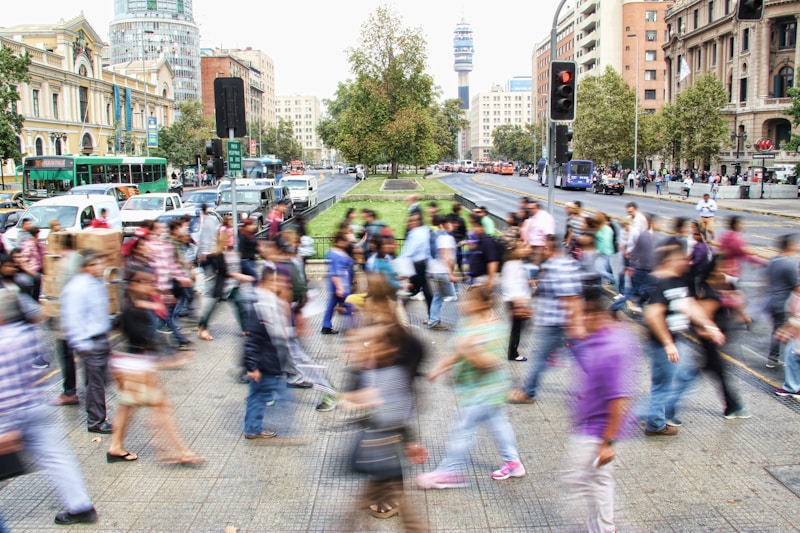
While Etsy is best known for handmade crafts, it is also an excellent platform for selling photography as fine art prints. Unlike stock photography where buyers pay for a license to use your image, Etsy buyers purchase physical or digital prints to display in their homes.
Two ways to sell photography on Etsy:
Physical prints — Print your photos professionally and ship them to buyers. Services like Printful can print and ship on your behalf automatically.
Digital downloads — Sell high-resolution digital files that buyers print themselves. This is completely passive — once listed, the file delivers automatically with no work from you.
Earning potential: Fine art photographers on Etsy regularly earn $1,000 to $10,000 per month from popular print shops.
Platform 6 — SmugMug and PhotoShelter
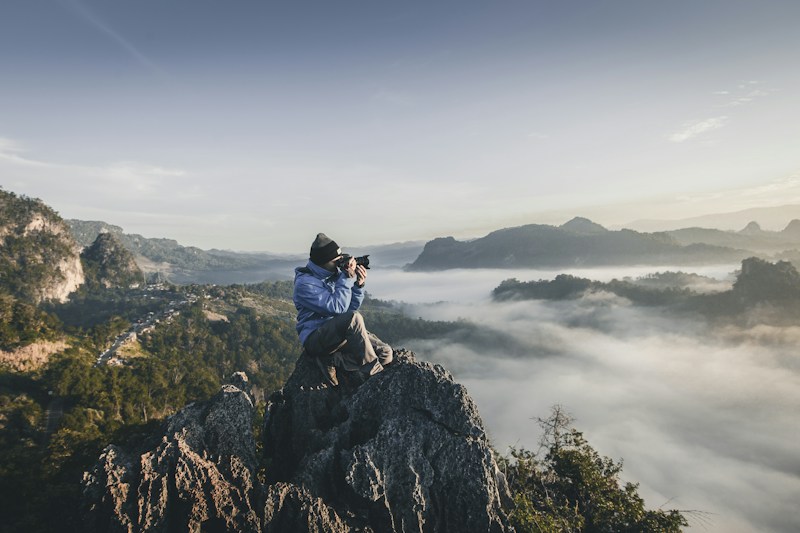
SmugMug and PhotoShelter are platforms specifically designed for professional photographers to sell their work directly to clients and collectors.
SmugMug allows you to create a beautiful photography website, set your own prices, and sell prints, downloads, and products directly to customers. You keep 85% of each sale.
PhotoShelter is more focused on professional photographers selling to editorial clients, advertising agencies, and commercial buyers. It includes powerful licensing tools and client delivery features.
Best for: Professional photographers with an established client base who want to sell directly without marketplace fees.
Platform 7 — Your Own Website

Having your own photography website gives you complete control and maximum earnings from every sale. While it requires more effort to drive traffic, you keep nearly all of the revenue.
Best platforms for photography websites:
- Squarespace — Beautiful templates designed for photographers
- WordPress with WooCommerce — Maximum flexibility and control
- Format — Built specifically for photographers and creatives
- Pixpa — All-in-one portfolio and store platform
What to sell on your own website:
- Fine art prints (physical and digital)
- Preset packs for Lightroom and Capture One
- Photography courses and tutorials
- Photo books and magazines
- Exclusive licensing for commercial clients
Tips to Maximize Your Photo Sales

Keyword your images thoroughly — Stock photography is a search-based business. Use accurate, detailed keywords so buyers can find your images. Include subject, location, mood, colors, and concepts.
Upload consistently — The more photos you have in your portfolio, the more you earn. Aim to upload new photos every week.
Shoot with commercial intent — Before pressing the shutter, ask yourself: “Who would buy this?” Shoot photos that solve problems for businesses and designers.
Get model and property releases — Photos with people and private property are far more valuable commercially, but require signed releases. Keep a release form on your phone and ask subjects to sign it on location.
Diversify across platforms — Upload to multiple platforms simultaneously to maximize exposure and income. Shutterstock, Adobe Stock, and Alamy all accept the same images.
Study bestsellers — Each platform shows you their bestselling images. Study what sells and create similar content in your own style.
Shoot in RAW and edit professionally — Technical quality matters enormously. Buyers expect sharp, well-exposed, professionally edited images.
Think seasonal — Plan your shooting calendar around upcoming seasons, holidays, and events. Christmas photos in December, summer photos in June, and back-to-school photos in August all see massive sales spikes.
How Much Can You Earn Selling Photos Online?
Earnings vary enormously based on portfolio size, quality, platforms used, and consistency of uploads:
| Portfolio Size | Monthly Earnings (Estimate) |
|---|---|
| 50-100 photos | $10 - $50 |
| 100-500 photos | $50 - $300 |
| 500-1,000 photos | $300 - $1,000 |
| 1,000-5,000 photos | $1,000 - $5,000 |
| 5,000+ photos | $5,000 - $20,000+ |
These are estimates for stock photography. Fine art photography and direct sales can significantly exceed these figures for photographers with established audiences.
Getting Started Today

You do not need expensive equipment to start. Here is how to begin today:
- Choose your starting platform — Shutterstock or Adobe Stock are the best first choices
- Create a contributor account — Free to join both platforms
- Select your best 10-20 photos to submit for review
- Add detailed keywords and titles to each photo
- Submit for review — Approval typically takes 1-7 days
- Upload consistently — Add new photos every week
- Track your analytics — See which images sell and create more like them
Final Thoughts
Selling photos online is one of the most accessible and rewarding ways to earn money in 2026. Whether you use a professional camera or just your smartphone, there are buyers looking for exactly the kinds of photos you can take.
The key to success is consistency — building a large portfolio over time and uploading regularly. The photographers earning thousands of dollars per month today started with just a few photos and grew their portfolio one image at a time.
Your photos have real value. Start uploading today and begin building your passive income stream.
What type of photography do you specialize in? Share in the comments below!